News & tips on health, fitness and nutrition
Showing posts with label spinach. Show all posts

Thursday, March 13, 2025

Most alkaline foods

An acid body is a magnet for sickness, disease, cancer and ageing. Alkaline food keep your body healthy and pH balanced, thereby preventing cancer.


1. SPINACH -All leafy greens should be eaten in abundance but spinach is my absolute favourite because it’s easy to buy, easy to use in recipes and salads and is delicious. Baby spinach or fully grown spinach are Nutritional powerhouses and are incredibly alkaline. As with all green foods, spinach is rich in chlorophyll (see more about the health benefits of chlorophyll here), a potent alkaliser and blood builder. It is also super high in vitamin K, vitamin A, manganese, folate, magnesium, iron, vitamin c, vitamin b2, calcium, potassium, vitamin e, dietary fiber…I doubt there is a more all round healthy food on earth and I highly encourage you to eat spinach throughout the day, every day.

2. KALE -Kale is another leafy green beauty that is widely known for its Cancer-Fighting, Cholesterol-Lowering, Antioxidant-rich, and Detoxifying goodness. Less popular than spinach, but only because it has a history of being cooked poorly (like cabbage) – when done right it is absolutely delicious (see recipes below, you’ll thank me). If you eat kale 2-3 times per week you’ll know it. Like spinach it is massively high in vitamin K, vitamin A and vitamin C and being Leafy Green it also has a huge Chlorophyll content. The reason it is so powerful against the Cancer Fight is that kale contains at least four Glucosinolates. I don’t want to lose you here by using words like glucosinolates – all you need to know is that as soon as you eat and digest kale, these glucosinolates are really easily converted by the body into cancer fighting compounds. Also quite amazing for Lowering Cholesterol, it should be noted that steamed kale is more effective for cholesterol lowering than raw.


3. CUCUMBER The beauty of cucumber is it’s water content – 95%. That is phenomenal and you won’t find that anywhere else. It’s the daddy of water-content. This of course makes it an incredibly hydrating food to consume, that ALSO contains superb amounts of antioxidants, including the super-important lignans. These highly beneficial polyphenols have more commonly been associated with the cruciferous vegetables, but their content in other veggies such as cucumbers is gaining more and more attention. Cucumbers contain a right load of lariciresinol, pinoresinol, and secoisolariciresinol , three lignans that have a huge and very strong history of research in connection with Reduced Risk of Cardiovascular disease as well as several cancer types, including Breast, Uterine, Ovarian, and Prostate Cancers. The best thing about cucumber is that they provide the base for practically every alkaline soup, smoothie and juice – giving you a very alkaline, very nutritious base that also tastes great. In terms of the actual nutrient RDA per serve, cucumbers contain fair amounts of vitamins K and C, and slightly less of vitamin A and the B vitamins. Cucumbers also contain the following alkaline minerals: calcium, iron, phosphorus, potassium, magnesium, selenium, copper, manganese, iron and zinc.

4. BROCCOLI - Broccoli is just a must. If you are serious about living with health, energy and vitality you simply have to eat broccoli, if not on a daily basis, then at least 4 times per week. Broccoli has been proven over and over and over again to be incredibly powerful in inhibiting Cancers, supporting the Digestive System, the Cardiovascular System, the Detoxification processes in the body and also supporting the Skin, metabolism, İmmune system, being an Anti-Inflammatory and providing ample Antioxidants. Eaten steamed or raw its a Hugely Alkaline, Hugely Nutritious food. Please, please, please eat lots and lots of it. Put it in salads, juices, smoothies, soups…steam it with other veggies – you can even roast

5. AVOCADO -I eat a LOT of avocado. Not a salad, smoothie or soup goes by without me adding at least 1/2 an avocado per person. I probably eat at least five-seven per week, myself. Now, I know a lot of people give avocado a bad rep because it is a high-fat food (85% of it’s calories come from fats) – but this is totally insane. These are good fats that will not make you gain weight. If anything, due to the high content of oleic acid (making it an Omega 9 fat and very similar to olive oil), it can lower total cholesterol level and raise levels of high-density lipoproteins (HDLs) while lowering low-density lipoproteins (LDLs), also known as the “bad” cholesterol. Oleic Acid also slows the development of heart disease, and promotes the production of Antioxidants. These beneficial omega oils also help speed the metabolism, actually leading to weight loss rather than gain. So now we’re over the fat issue, avocado also contains a wide range of other nutrients that have serious Anti-İnflammatory, Heart Health, Cardiovascular Health, Anti-Cancer, and Blood Sugar Benefits. Containing key Antioxidants such as alpha-carotene, beta-carotene, lutein, selenium and more – it is a powerful, alkaline, nutrient-dense superfood.

6. CELERY - Celery, like cucumber is a favourite because it’s alkaline AND really high water content, so is used very frequently as a base in juices and soups (not so much smoothies as you have to juice it first…and then you have double the washing up). One of celery’s big benefits is it’s vitamin C level, which has the well known benefits – but two of it’s lesser known nutrients are phthalides which have been shown to Lower Cholesterol and coumarins which have been shown to inhibit Several Cancers. The beauty of vitamin C rich foods are that they help with the most common and most challenging health concerns – they support the İmmune system, inflammation (so helps with Arthritis, Osteoporosis, Asthma etc), and vitamin C also helps significantly with Cardiovascular Health. If you are on a weight loss journey, you’ll also be happy to hear that this alkaline staple contains plenty of potassium and sodium and so is a diuretic – meaning it helps rid the body of excess fluids. 


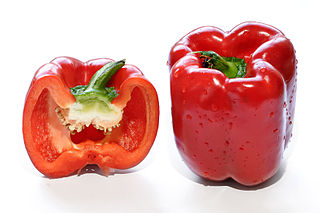
7. CAPSICUM / BELL PEPPER / PEPPER - The antioxidant superpower, bell pepper is one of my all-time-favourites because it is sweet, crunchy and refreshingly delicious. You can use it in almost any meal raw, grilled, fried, and roasted and it is always a winner. Impressively beneficial to our health cartenoids are highly researched and get a lot of attention in the health field and bell peppers contain over 30 different members of the carotenoid nutrient family. The only other food that is close to this is Tomato and all other foods are also-rans. Bell peppers have shown up in research relating to decreasing the risk of Cardiovascular Disease, type II Diabetes, Macular Degeneration, Cancer, inflammation and more. Alongside these lesser known or more complex-named antioxidants, bell pepper is one of, if not the best food source of the more common antioxidants: vitamin C, vitamin A and vitamin E. In fact, bell peppers contain twice as much vitamin C as oranges. Here are just SOME of the antioxidants bell pepper contains: - Flavonoids – luteolin – quercetin – hesperidin - Carotenoids – alpha-carotene – beta-carotene – cryptoxanthin – lutein – zeaxanthin - Hydroxycinnamic Acids - ferulic acid – cinnamic acid.


Tuesday, November 5, 2024

11 Easy Ways to Load Up on Healthy Omega-3 Fats

Omega-3 fatty acids are essential to good health, but their benefits may be missed because the American diet is chock full of omega-6 fatty acids instead. (Learn more about the pros and cons of omega-3s and 6s here.) Many foods contain both fatty acids. To ensure you get your fill of -3, you'll need to be conscientious at the grocery store. Here are 11 ways to get more omega-3 and crowd out omega-6:

Salmon. This fatty fish is exploding with omega-3 and is relatively low in omega-6. It just may be the best omega-3 bang for your buck in the seafood aisle.

Bluefin tuna. This fatty fish is packed with omega-3s and low in omega-6. Not so keen on tuna? You've got choices: mackerel, herring, and rainbow trout.

Anchovies and sardines. Though not everyone's favorite, these slimy, oily options are other good omega-3 sources. They also tend to be high in sodium, though.

Crustaceans. Fish isn't the only kind of seafood that packs an omega-3 wallop. Shrimp, mollusks, and Alaskan king crab are also excellent sources that also won't load you up with omega-6.

Oils. Throw a dash of flaxseed oil onto salad and start cooking with canola oil for a nice hit of omega-3. By subbing out other vegetable oils (like soybean, corn, and cottonseed oils), you'll also lessen your omega-6 load.

Beans. Some legumes are better than others for tipping the omega balance your way. Kidney, pinto, and mungo beans will do you right. Chickpeas are less helpful.

Nuts and seeds. Add a nutty flavor to salad, yogurt, or morning mueslix with walnuts or flaxseed. A small handful of either will up your omega-3 intake.

Spinach. Popeye was on to something. Serve up this leafy green in a salad, or sauté it and add it to pasta.

Winter squash. Keep an eye out for this seasonal vegetable—it makes an interesting side dish that boosts your omega-3 intake.

Broccoli and cauliflower. These cruciferous veggies are on your side when it comes to omega-3s.

Papaya. A tropical delight, papaya may be the only fruit in your supermarket with more omega-3 than omega-6.

Monday, June 21, 2021

Disease-Fighting Foods

“Let food be your medicine, and medicine be your food.” When Hippocrates, the father of modern medicine, wrote those words more than 2,400 years ago, he was hundreds of years ahead of his time. Today, thousands of studies around the world confirm Hippocrates’ advice: What you eat has a powerful effect on your health.
Functional Foods
The buzz today is about “functional foods” that provide health benefits beyond basic nutrition. Researchers say a diet high in fruits, vegetables, nuts and cold-water fish can make your immune system stronger and reduce your risk of heart disease, certain cancers, and age-related vision and mental problems.
Supplements vs. Food
Studies say that taking supplements instead of eating whole foods doesn’t provide the same benefits and may actually increase your risk of disease. Researchers think that the combination of natural chemicals found in whole foods work together to promote health.
10 Important Disease-Fighting Foods

Enjoy the benefits of these top food choices, found on your grocery store’s shelves:
Spinach
May prevent age-related vision problems; provides folate, a vitamin critical for reducing birth defects; reduces blood levels of homocysteine, an amino acid that increases heart disease risk; may protect the brain from aging
Broccoli
High in sulforaphane, a naturally occurring compound that may help destroy tumor-causing chemicals; provides indole-3-carbinol, a phytochemical (nutrient that comes from plants) that may protect against estrogen-related cancers
Salmon
One of the best sources for omega-3 fatty acid, a type of fat that may reduce the risk of blood clots and cardiovascular disease; has anti-inflammatory effect; may reduce risk of diseases such as diabetes, stroke, rheumatoid arthritis, asthma, inflammatory bowel disease, ulcerative colitis, some cancers and mental decline
Nuts
Loaded with heart-healthy monounsaturated fats, omega-3 fatty acid and vitamin E; helps reduce total blood cholesterol
Tomatoes
Rich in lycopene, a phytochemical that seems to play a role in preventing certain cancers
Berries
High in cancer-fighting phytochemicals; appear to have brain-protective properties that may help prevent, and possibly reverse, age-related declines in memory and learning ability
Beans / Legumes
Excellent source of protein, heart-healthy fiber, folate and antioxidants; may help reduce cholesterol levels
Oats
Rich in a type of fiber that’s effective in reducing total and LDL (“bad”) cholesterol; effective in regulating blood sugar levels
Purple Grape Juice, Red or Purple Grapes, Red Wine
High in a cancer-fighting compound that may also help reduce the risk of cardiovascular disease
Coffee and Tea
Coffee: Appears to reduce risk of heart disease, type 2 diabetes and age-related cognitive decline
Black Tea: May reduce the risk of cardiovascular disease
Green Tea: May prevent certain types of cancer

Saturday, July 7, 2018

Avoid Vegetables with Oxalic Acid?

Oxalic acid is a natural product found in spinach and some other plant foods including rhubarb. 


(Levels are so high in rhubarb leaves that we don't eat them - they're poisonous). It imparts a sharp taste to beet greens and chard that I don't like, especially in older leaves. Concentrations of oxalic acid are pretty low in most plants and plant-based foods, but there's enough in spinach, chard and beet greens to interfere with the absorption of the calcium these plants also contain. For example, although the calcium content of spinach is 115 mg per half cup cooked, because of the interference of oxalic acid, you would have to eat more than 16 cups of raw or more than eight cups of cooked spinach to get the amount of calcium available in one cup of yogurt.

However, the oxalic acid in vegetables is broken down in cooking and doesn't interfere with the absorption of calcium present in other foods, cheese for instance, that you might eat at the same time. Calcium is available from many other food sources - in addition to yogurt, cheese and milk, it is also found in a wide variety of fortified foods including orange juice, soy milk and cereals.

As far as calcium is concerned, it is recommended that women aim for a total daily calcium intake of 1,000-1,200 mg per day from all sources, including supplements of 500 to 700 mg of calcium citrate in two divided doses taken with meals. For men, I now suggest aiming for 500 mg from all sources, and unless they are getting almost no calcium from food, men should not supplement with calcium – high intake has been linked to an increased risk of prostate cancer.